


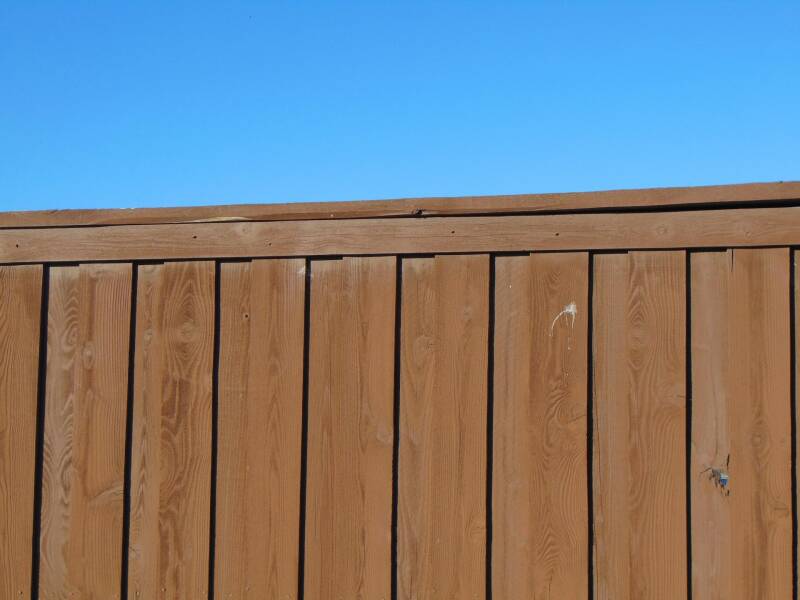
Start Your Fence Replacement in Calgary the Right Way
Fence replacement in Calgary often starts in spring when the ground has thawed and the snow has mostly melted. Late April through June is a sweet spot because posts can go in properly, concrete can cure, and it is usually easier to book a contractor before the peak summer rush. It is a good time to deal with old, leaning fences that struggled through winter.
What surprises many homeowners is that the hardest part is not the tools or the lumber. It is questions like, “Where is the actual property line?” and “Will my neighbour agree to this?” Confusion over boundaries, height, permits, and cost sharing can delay projects and create tension on the block.
In this guide, we walk through how to start your fence replacement in Calgary with clear property lines, friendly neighbour talks, basic rules on height and permits, material and pricing comparisons, and some planning and maintenance tips so you can avoid boundary disputes and unexpected costs before any posts go in the ground.
Understanding Property Lines Before You Touch a Post
Property lines mark the legal edge of your land. On paper, they are set out in survey plans and Real Property Reports, not by where an old, crooked fence happens to sit. Many older fences drift over time, so copying the existing line is risky.
A Real Property Report, often called an RPR, is a legal document prepared by an Alberta Land Surveyor that shows:
- Exact property boundaries
- Location of your house, garage, and other structures
- How close fences and buildings are to those lines
Before any fence replacement in Calgary, it helps to review the documents you already have and confirm the basics. That usually means checking your RPR from when you bought the home (if you have it), confirming the legal description in your land title documents, and calling a professional if anything looks unclear or missing.
If you do not have an RPR, or if the drawing is very old or hard to read, hiring an Alberta Land Surveyor is the safest way to confirm your lines. A surveyor can mark corners and sometimes provide fresh sketches so you and your neighbour see the same thing.
Common situations we see include:
- Shared boundary fences sitting right on the property line
- Fences built a few inches inside one owner’s land, which then belong mainly to that owner
- Corner lots where front yard height limits and sightlines near crosswalks are stricter
- Yards that back onto alleys or lanes, where rules for height and location can be a bit different
City rules may also set minimum setbacks from sidewalks or roads, especially if the fence is taller or if it is close to a driveway where drivers need a clear view.
Neighbour Consent, Etiquette, and Cost Sharing Basics
When a fence is fully inside your own property, you usually do not need legal consent from your neighbour. But if the fence is on a shared line or clearly works as both your fence and theirs, treating it as a joint project is usually the best path.
Good neighbour etiquette can save you a lot of stress. It helps to talk early (before you sign anything), bring a simple sketch of the new fence layout, and show a couple sample photos or basic design ideas for style and height. You might say something like, “Our fence is in rough shape and we are planning to replace it along our shared side. Are you open to chatting about style and costs?” Keeping the tone friendly and open can stop small worries from turning into big issues.
Cost sharing in Calgary is often handled informally. Many neighbours agree to split a shared fence half and half, but it is not guaranteed. If your neighbour is not able or willing to pay, you can still move ahead as long as you keep the design reasonable and in line with bylaws, keep notes of what you discussed (including any texts or emails), and make sure any agreement you do reach is put in writing, even if it is just a short email. Keeping records protects everyone’s memory later if questions come up.
Calgary Rules, Permits, and Fence Height Limits
The City of Calgary has rules about how high a fence can be, where it can sit, and when you need a permit. Always confirm current rules with the City before you build, because bylaws can change.
In general, the City looks at:
- Front yard fences differently from backyard fences
- Corner lots more closely, especially near intersections
- Fences near driveways, so drivers can see pedestrians and cars
Typical patterns in many residential areas include:
- Front yards: Lower maximum heights to keep streets open and sightlines clear.
- Back and side yards: Higher maximum heights allowed for privacy, especially between neighbouring lots.
- Corner lots and driveways: Additional visibility rules near intersections and driveways so people can see around the fence when turning or backing out.
When You May Need a Permit in Calgary
Homeowners should check with the City of Calgary (Planning & Development) or the City’s online resources to confirm whether a fence needs a permit. Permit requirements often depend on details like height, location, and whether the fence interacts with other structures.
Common triggers can include:
- A fence that is higher than the standard maximum height for the area
- Fences combined with retaining walls or built on top of retaining walls
- Unusual designs or locations that may affect safety, drainage, or visibility
Before you build, it is smart to:
- Review Calgary’s current fence and retaining wall guidelines on the City website
- Call 311 or visit a City of Calgary planning counter to ask if your specific fence design needs a development or building permit
- Keep any emails or written guidance from the City with your project records
For commercial properties, rules can differ again. Business owners and landlords need to check zoning for the property, any special safety or security rules, and distance from sidewalks, driveways, parking lots, and utilities.
Skipping permit checks can lead to headaches, like orders to change the height, move sections, or even remove parts of the fence. It can also strain neighbour relationships if they complain to the City. A professional fence contractor who works in Calgary regularly can help you understand common limits and steer your design in the right direction.
Fence Materials in Calgary: Comparisons and Typical Price Ranges
Once property lines and basic rules are clear, the next choice is material. Calgary weather can be tough on fences with freeze-thaw cycles, strong sun, and the chance of hail. Common options include:
- Pressure-treated wood
- Cedar
- Ornamental metal
- Chain link
- Composite materials
Each material handles moisture, sun, and impact differently, and each has a different price point. Exact prices vary by season, lumber markets, and design, but rough comparisons help with budgeting.
Pressure-Treated Wood
- Use: Privacy fences for back and side yards.
- Pros: Widely available, usually the lowest upfront cost for a full-privacy fence, easy to repair or modify.
- Cons: Needs regular staining or sealing to look its best; boards can warp or crack over time in Calgary’s climate.
- Typical price range: Often at the lower end of fence pricing per linear foot compared with cedar and composite, depending on height and style.
Cedar
- Use: Privacy fences where appearance matters.
- Pros: Natural look and smell, more resistant to decay than many untreated woods, can add curb appeal.
- Cons: Higher upfront cost than pressure-treated, still benefits from staining or sealing to slow weathering.
- Typical price range: Generally higher per linear foot than pressure-treated wood, but lower than most composite systems.
Ornamental Metal (e.g., Steel or Aluminum)
- Use: Decorative side yards, front yards, or around pools where visibility is important.
- Pros: Durable, low maintenance, upscale appearance, works well where you do not need full privacy.
- Cons: Less privacy than a solid wood or composite fence; cost varies widely by style and coating.
- Typical price range: Similar to or higher than cedar for many designs, depending on height, style, and finish.
Chain Link
- Use: Alleys, dog runs, commercial and industrial sites, sports areas.
- Pros: One of the most cost-effective options, very durable, very low maintenance.
- Cons: Minimal privacy unless you add slats or screens; purely functional look.
- Typical price range: Often among the least expensive per linear foot for basic residential heights.
Composite Fencing
- Use: Backyards where long-term, low-maintenance privacy is a priority.
- Pros: Does not need staining or painting, resists rot and insects, colour and appearance are more stable over time.
- Cons: Higher upfront cost than most wood options; heavier materials can require careful installation.
- Typical price range: Usually at the upper end of residential fence pricing per linear foot.
For a basic budget, many Calgary homeowners compare:
- Lower initial cost but more maintenance (pressure-treated or chain link)
- Medium initial cost and medium maintenance (cedar, some ornamental metal)
- Higher initial cost with lower long-term maintenance (composite and some metal systems)
Requesting detailed written quotes from two or three local contractors, each specifying materials, height, total linear footage, and any gate hardware, will give you a clearer picture of real pricing for your yard.
Planning Ahead for a Smooth Fence Replacement
Planning ahead in late spring sets you up for less stress. One of the biggest advantages of planning early is that you can secure quotes and booking dates before summer schedules fill up. It also gives you time to compare estimates properly, instead of rushing into the first available option.
Useful steps include:
- Booking quotes before summer schedules fill up
- Asking each contractor to break down material, labour, and any permit or disposal fees on the quote
- Clearing brush, junk, and loose items away from the fence line
- Letting neighbours know when work is planned, especially if their yard will be affected at all
Experienced contractors are used to Calgary soil conditions, and some yards have rocky patches or wet spots that need special attention for posts. Choosing a team that offers a strong workmanship warranty, such as a 10-year warranty on their work, gives you extra peace of mind if posts shift or boards twist over time.
Basic Fence Maintenance Tips for Calgary Homeowners
A new fence is an investment. Simple maintenance can extend its life and keep it looking better for longer.
Wood Fences (Pressure-Treated and Cedar)
To get the best lifespan from wood, plan on protecting it from moisture and sun, and doing a quick annual checkup. Wait for the wood to dry and then stain or seal it; in Calgary’s climate, many homeowners apply a quality exterior stain or sealant within the first year and then recoat as needed. It also helps to keep soil, mulch, or snow from piling directly against the bottom of the fence to reduce rot. Finally, once a year, walk the fence line to check for loose fasteners, tighten screws, and replace damaged boards.
Metal and Chain Link Fences
Metal and chain link generally need less work, but they still benefit from seasonal checks. After winter, rinsing off salt and debris helps prevent long-term wear from road salt and grime. You should also inspect for rust or damage and touch up any chipped coatings so rust does not spread. Keeping vegetation under control matters too, since vines and bushes can add strain and trap moisture against the fence.
Composite Fences
Composite fences are popular for low maintenance, but they still look best with light cleaning. Wash periodically using mild soap and water (or follow the manufacturer’s instructions) to remove dust and algae, and avoid harsh abrasives like steel wool or highly abrasive cleaners that could mark the surface.
Spending a small amount of time each year on upkeep can delay major repairs and protect the money you put into your fence.
How to Prevent and Resolve Fence Boundary Disputes
Most fence replacement in Calgary goes smoothly when the groundwork is done properly. Disputes are much less likely when everyone is looking at the same documents, understands the plan, and has a simple written record of what was agreed.
To reduce the chance of disputes:
- Confirm property lines with documents, and a surveyor if needed
- Share your design, height, and estimated timeline before work starts
- Get a neighbour sign-off in a simple written form, like a short email summary
- Keep copies of quotes, drawings, and any City advice or permit documents you receive
If a disagreement shows up anyway, staying calm is key. Often, a second talk where you listen to concerns and show your paperwork can solve things quickly. A professional contractor can sometimes act as an objective voice, explaining what is standard in the area and what rules apply.
If talks stall, options include:
- Community or private mediators who help neighbours reach a middle-ground
- Advice from a legal professional who understands Alberta property issues
Watch for red flags such as:
- A neighbour moving fence posts or panels without talking to you
- Sudden claims that your new fence is encroaching on their land
- Demands to change the height or style after work is done
Before you respond strongly, check your RPR, any survey marks, your written notes, and current bylaws. When you stand on clear information rather than emotion, most fence issues are easier to sort out for everyone involved.
Get Started With Your Project Today
If your current fence is worn, unsafe or no longer matches your yard, we are ready to help you plan a smooth, lasting upgrade. Explore our fence replacement in Calgary options to see how Picture Perfect Fence n Construction Inc. can improve your property’s privacy, security and curb appeal. We will walk you through materials, design and timing so your project fits your home and budget. Have questions or want a quote? Simply contact us and we will follow up promptly.